A car’s paint is much more than just a visual feature; it serves as a crucial barrier, protecting the car from environmental factors, corrosion, and wear. While the paint enhances the car’s visual appeal, it also plays a significant role in preserving the vehicle’s structural integrity and overall value. Over time, factors like sunlight, moisture, pollutants, and regular use can gradually weaken this protective layer. The most frequent signs of paint damage include fading, peeling, and oxidation. Early detection of these issues is vital to avoid them developing into expensive and extensive repairs. Understanding the intricacies of paint deterioration not only helps spot problems early on, but also highlights the necessity of professional assistance. Keeping your car’s exterior vibrant and protected relies on both awareness and expert care.
The layers of car paint
Car paint is a multi-layered system designed to offer both aesthetic appeal and protection. The primer forms the foundation, preparing the surface, ensuring proper adhesion, and guarding against corrosion. The base coat provides the car’s colour, reflecting style while contributing to its protective structure. The clear coat adds shine and depth and serves as the main defence against UV rays, scratches, and environmental pollutants. The effectiveness of a car’s paint relies on the integrity of each layer. Damage that breaches one or more of these layers can jeopardize both appearance and protection. In recent years, many modern car painting trends are making vehicles stand out, but they also require careful maintenance to preserve their unique appearance and protective function. While some types of wear and tear are gradual and may go unnoticed at first, others can escalate quickly if not addressed. Understanding the interplay between these layers is essential for identifying early signs of deterioration.
Fading – The gradual loss of colour and shine
Fading is one of the most prevalent types of paint damage, marked by a gradual decrease in vibrancy and richness. As time passes, a once-vivid and shiny paint finish can start to look dull or faded.
This process is often quickened by ultraviolet rays, which interfere with the chemical bonds in both the base and clear coats, leading to a loss of colour intensity. Additionally, environmental pollutants, acid rain, and organic matter like bird droppings can worsen fading by degrading the protective layers.
The initial signs of fading can be quite subtle, such as a minor decrease in gloss or a generally matte look. As time goes on, panels may show uneven colour distribution or areas that feel rough to the touch. Although fading does not immediately affect the structural integrity of the vehicle, it does reduce its visual appeal and makes the paint more susceptible to additional damage.
Detecting fading early allows for actions that can help maintain the original finish and prolong the life of the protective layers.
Peeling – The separation of paint from the car’s surface
Peeling happens when paint separates from the car’s surface, revealing the underlying primer or the bare metal. This type of damage is often more noticeable and alarming than fading, as it directly undermines the protective features of the paint.
Several factors can lead to peeling, such as improper application during manufacturing, exposure to harsh environmental conditions, or corrosion forming beneath the surface.
The first signs of peeling include small bubbles or blisters under the paint, flaking along seams, and areas where the paint has noticeably lifted. If not addressed, peeling can quickly spread, exposing larger sections of the vehicle to moisture and the risk of corrosion. The loss of paint is not only unattractive, but also reduces the protective layer, making the car vulnerable to rust and structural damage.
Recognizing the issue early is essential to reducing the damage and ensuring the durability of the remaining paint layers.
Oxidation – The chemical breakdown of the paint
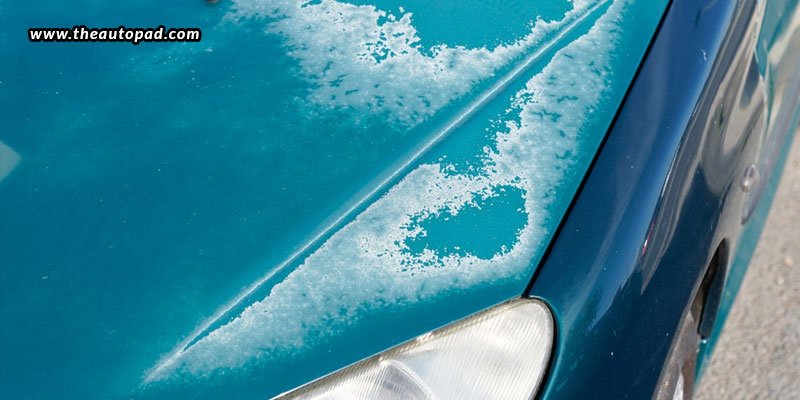
Oxidation is a chemical reaction that occurs between paint and the oxygen in the environment. Unlike peeling, which is mainly a mechanical separation, oxidation alters the molecular structure of the paint itself, resulting in a chalky and rough texture.
The process of oxidation is caused due to the sun’s ultraviolet light and pollutants in the atmosphere, which over time, causes the paint to lose its lustre, colour richness, and ability to effectively shield the layers beneath.
The initial signs of oxidation include a significant reduction in gloss, a powdery texture, and an overall dull appearance that simple washing cannot fix. In more severe cases, oxidation can compromise the clear coat, expose the base coat, and lead to even more rapid deterioration. Although the effects of oxidation develop slowly, they accumulate over time, meaning that extended neglect can lead to irreversible harm.
Being aware of the early signs of oxidation is crucial for preserving both the aesthetic appeal and protective qualities of a car’s exterior.
Fading, Peeling, and Oxidation – How they work together
While fading, peeling, and oxidation are separate issues, they often influence one another. Fading diminishes the gloss and protective features of the paint, making it more vulnerable to damage from the environment. This increased susceptibility can lead to peeling over time, particularly if the paint has already been weakened by scratches, chips, or corrosion. Likewise, oxidation speeds up the breakdown of both the clear coat and base coat, intensifying the effects of fading and raising the chances of peeling. Understanding this connection emphasizes the need for careful attention and proactive maintenance. Tackling paint damage at its initial stage can avert a chain reaction of deterioration, helping to maintain both the vehicle’s look and its structural soundness.
The role of professional expertise
While being aware and recognizing issues early on is crucial, the long-term maintenance of a car’s paint relies heavily on professional help. Opting for a skilled and trustworthy car painting and detailing service guarantees that any necessary corrective measures are executed with accuracy, top-notch materials, and appropriate techniques. Experts can rejuvenate damaged paint, apply protective layers, and avert further deterioration, thus preserving the car’s visual appeal and functional integrity. For example, services of car painting in Jayanagar from experts like Autopad can helps with advanced coatings and expert restoration. The knowledge of the experts here ensures that a car’s colour maintains its original brilliance while its protective features stay intact. Just as picking the right paint colour is vital for showcasing style and personality, it is equally essential to entrust its maintenance to seasoned professionals to ensure the vehicle’s durability.
Fading, peeling, and oxidation are natural outcomes of time, environmental exposure, and regular use. Sunlight, moisture, pollutants, and everyday wear gradually weaken the paint layers, affecting both the vehicle’s appearance and its protective properties. However, these issues do not necessarily lead to permanent damage if addressed promptly. Recognizing the early signs of paint deterioration and seeking professional intervention at the right time is essential for preserving a car’s aesthetic appeal, durability, and resale value. By understanding the causes of paint damage and the way it develops over time, owners can make informed decisions to maintain their vehicle’s finish and ensure it remains in excellent condition.